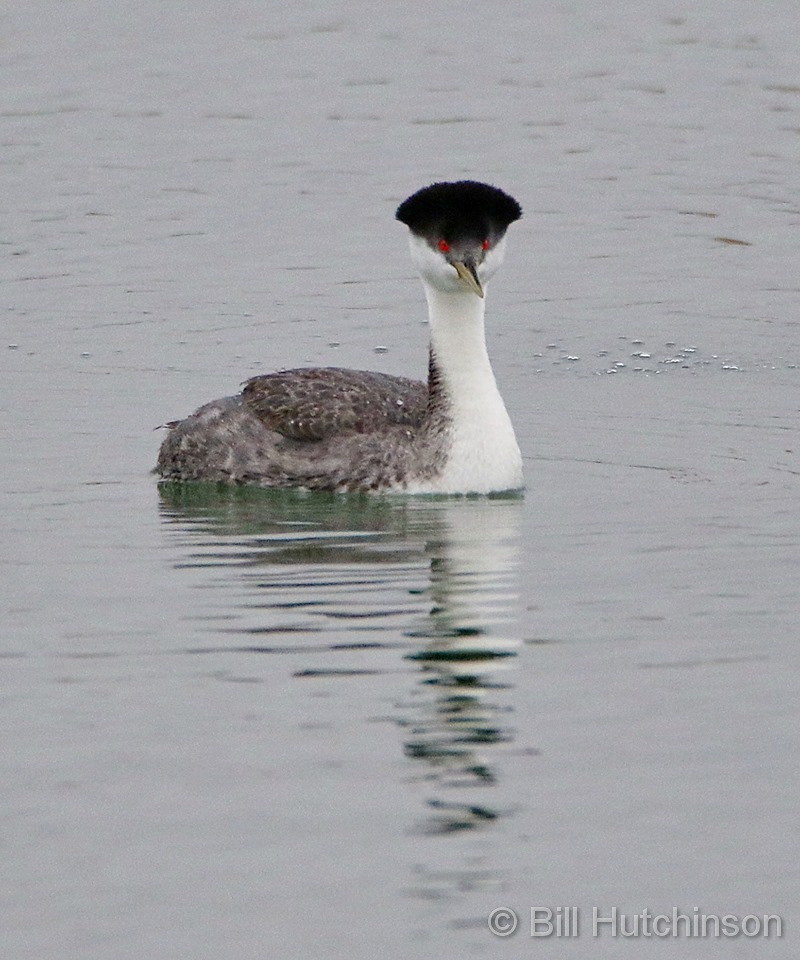
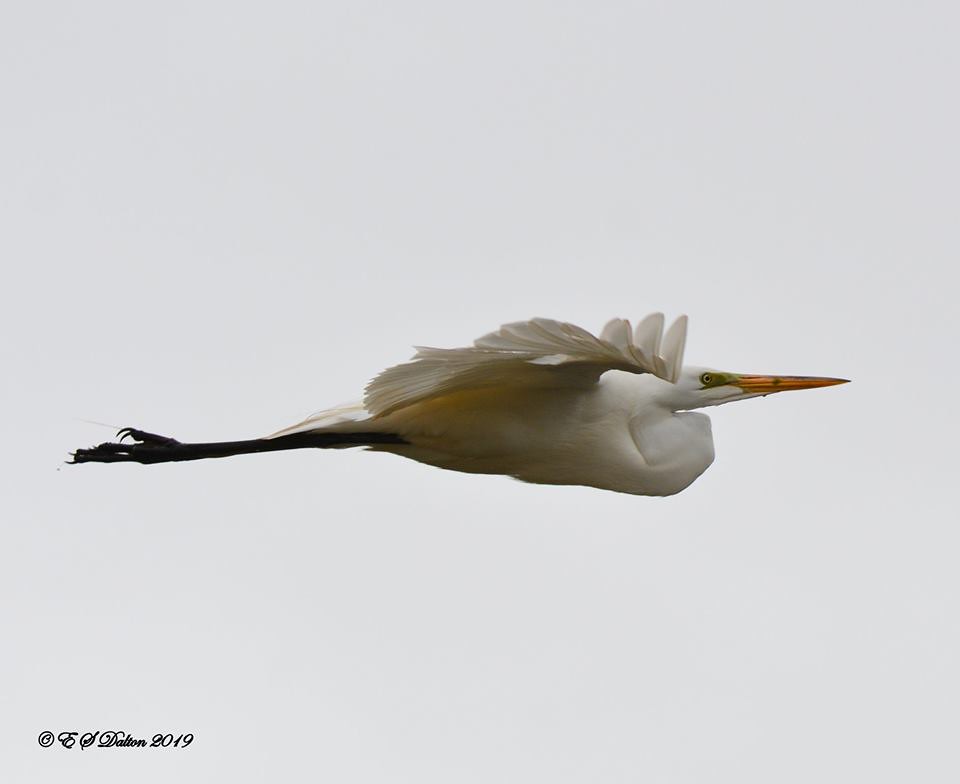
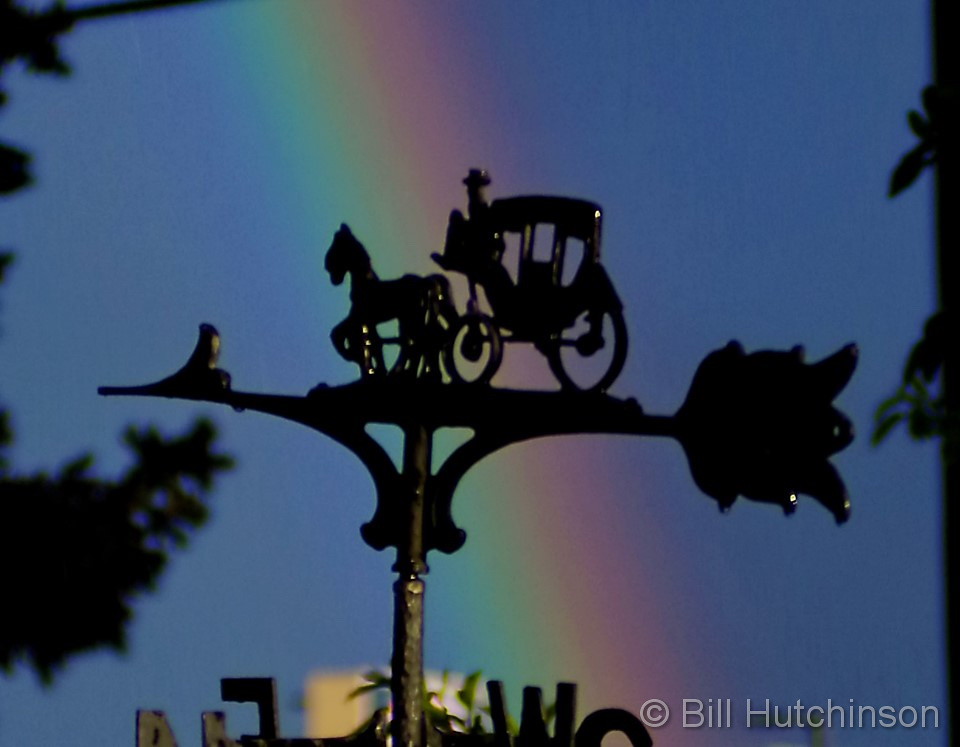
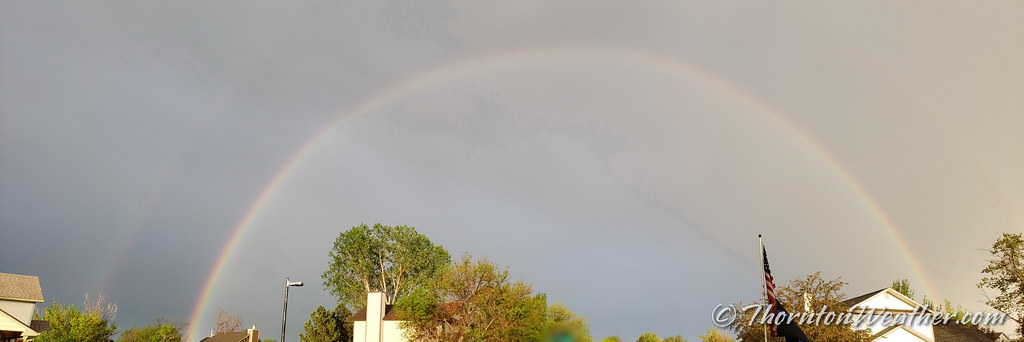
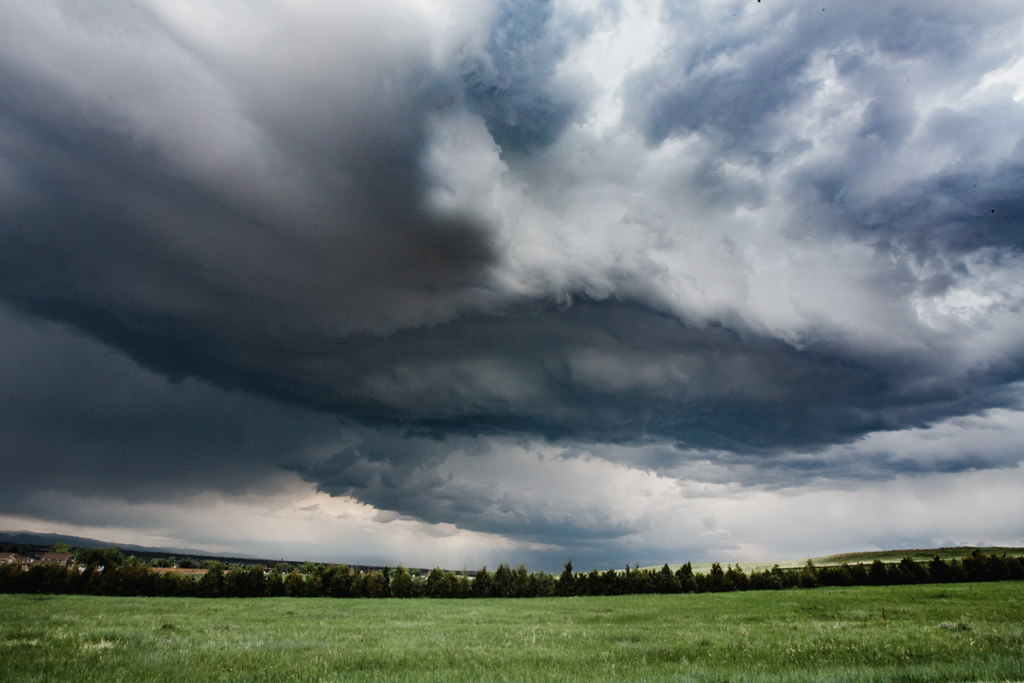
A beautiful sunset over downtown Denver to start the month of December. (Alisa H)
The month of December can offer everything from bone dry conditions to bone chilling cold and monstrous snowstorms. The weather and wildlife all afford an abundance of photo opportunities as our December photo slideshow shows.
Leaves have fallen from trees now and the landscape can sometimes look quite stark. However it only takes a quick shot of snow to change that picture greatly. Throw in gorgeous sunrises and sunsets, plenty of wildlife big and small, kids playing and much more and the month can be quite colorful and eventful.
Slideshow updated December 31, 2018
To learn more about how to send your photo to us for inclusion in the slideshow, see below the slideshow.
Showcasing images captured by ThorntonWeather.com readers as well as some of our own, our monthly slideshow covers the entire gamut of weather-related imagery.
Sunsets, sunrises, wildlife and of course every type of weather condition are vividly depicted in images captured from yours and our cameras.
[flickr_set id=”72157702984201741″]
What is missing in the slideshow above? Your photo!
Our monthly photo slideshow is going to feature images that we have taken but more importantly images that you have captured. The photos can be of anything even remotely weather-related.
Landscapes, current conditions, wildlife, pets, kids. Whimsical, newsy, artsy. Taken at the zoo, some other area attraction, a local park, a national park or your backyard. You name it, we want to see and share it!
Images can be taken in Thornton, Denver or anywhere across the extraordinary Centennial State. We’ll even take some from out of state if we can tie it to Colorado somehow.
We’ll keep the criteria very open to interpretation with just about any image eligible to be shown in our slideshows.
What do you win for having your image in our slideshow? We are just a ‘mom and pop’ outfit and make no money from our site so we really don’t have the means to provide prizes. However you will have our undying gratitude and the satisfaction that your images are shared on the most popular website in Thornton.
To share you images with us and get them included in the slideshow just email them to us or share them with ThorntonWeather.com on any of the various social media outlets. Links are provided below.
December 23 to December 29: This week in Denver weather history
Christmas week has seen many notable weather events which are forever emblazoned on Coloradans’ memories. The holidays of course seem to heighten these memories but the events themselves are no less significant. There was of course the infamous Christmas Eve Blizzard of 1982 and more recently in 2006, a storm hit just after the holiday that buried us in a blanket of white.
From the National Weather Service:
17-24
In 1924…a prolonged cold spell occurred after mild temperatures during the first half of the month. Most low temperatures dipped below zero with the coldest reading of 15 degrees below zero occurring on the 24th. The high temperature of only 5 degrees on the 18th was a record low maximum for the date.
18-24
In 1998…a vigorous cold front with north winds gusting as high as 38 mph at Denver International Airport on the 18th dropped temperatures from a high of 51 degrees to a low of just 6 degrees before midnight. The arctic air mass that settled over metro Denver produced intermittent light snow and a week-long protracted cold spell that caused low temperatures to plunge well below zero for 6 consecutive nights. The coldest temperature was 19 degrees below zero on the morning of the 22nd. High temperatures climbed only into the single digits on 4 consecutive days…from the 19th through the 22nd. At least 15 people…mostly homeless… Were treated for hypothermia at area hospitals. The bitter cold weather was responsible…either directly or indirectly… For at least 5 fatalities. Three of the victims died directly from exposure. The cold weather also caused intermittent power outages. Following the cold snap… Thawing water pipes cracked and burst in several homes and businesses…causing extensive damage. Only one temperature record was set. The high temperature of only 7 degrees on the 19th set a record low maximum for the date.
19-23
In 1990…a surge of very cold arctic air invaded metro Denver. Many temperature records were broken as the mercury remained at or below zero for 85.5 hours at Stapleton International Airport…making it the third longest period of subzero readings in 118 years of record keeping. On the morning of the 22nd…the mercury plunged to 25 degrees below zero…which equaled the all-time record low temperature for the month set on December 24…1876. In the foothills southwest of Denver at tiny town…the mercury plunged to 33 degrees below zero on the morning of the 21st. On the same morning at Castle Rock the temperature dipped to 26 degrees below zero. During the period…other daily temperature records were set at Denver…including: record low maximum of 3 degrees below zero on the 20th and a record low of 17 degrees below zero on the 23rd. The record low was equaled with 16 degrees below zero on the 20th and 21 degrees below zero on the 21st. Snowfall totaled 2.7 inches at Stapleton International Airport from the 19th through the 21st.
20-23
In 1918…light snowfall on each day totaled 12.0 inches over downtown Denver. Northeast winds were sustained to 16 mph on the 21st.
20-25
In 1983…an extremely bitter cold spell occurred. The temperature remained below zero for 115 hours in Denver… The longest sub-zero period on record. The mercury dipped to 21 degrees below zero on the 21st…the coldest recorded temperature in over 20 years. The cold was accompanied by winds that plunged chill factors to 50 to 70 degrees below zero. Two people froze to death in Denver; both were found outside dead of exposure. Numerous cases of frostbite were reported. Hundreds of water pipes broke from the intense cold…water mains and natural gas lines also fractured…and electricity consumption reached record levels. Light snow totaling 5.8 inches fell at times…and holiday traffic was delayed at Stapleton International Airport for several hours. Eight daily temperature records were set at the time. The all-time record low maximum temperature for the month of 8 degrees below zero on the 21st still stands today. Other temperature records still standing include record low maximum temperatures of 5 degrees below zero on both the 22nd and 23rd and 4 degrees below zero on the 24th.
21-23
In 1924…heavy snowfall totaled 7.9 inches over downtown Denver. During the storm north to northeast winds were sustained to 21 mph. Temperatures were quite cold…ranging from a high of 24 degrees on the 21st to a low of 5 degrees below zero on the 23rd.
In 1964…high winds were recorded along the eastern foothills. A wind gust to 100 mph was registered at Jefferson County Airport near Broomfield. In Boulder… Where many thousands of dollars in damage occurred…warm Chinook winds gusted in excess of 45 mph downtown. A wind gust to 82 mph was recorded at the National Center for Atmospheric Research in Boulder. Heavy damage to power lines…homes…and roads was reported at Evergreen…Golden… And Boulder. Several people were injured by wind-caused accidents. West winds gusted to 53 mph on the 22nd and to 51 mph on the 23rd at Stapleton International Airport where some blowing dust occurred. The Chinook winds warmed temperatures in Denver to highs of 68 degrees on the 22nd and 71 degrees on the 23rd.
22-23
In 1926…snow was heavy and totaled 6.7 inches in downtown Denver. Northeast winds were sustained to 17 mph with gusts to 18 mph on the 23rd.
In 1979…heavy snow blanketed metro Denver. Total snowfall at Stapleton International Airport was 6.9 inches…and north winds gusted to 20 mph. Most of the snow…5.7 inches…fell on the 22nd.
In 1984…strong Chinook winds howled along the Front Range foothills. At Table Mesa in southwest Boulder…gusts reached 108 mph on the morning of the 23rd. Gusts to 79 mph were clocked in Golden Gate Canyon. Gusts to 94 mph were reported in east Boulder. The winds flattened a two floor cinder block building under construction in Boulder… Causing 75 thousand dollars damage. Flying debris from the building slightly injured a policeman. A chain link fence was blown down. Dozens of windows and roofs were damaged in Boulder…along with mobile homes and cars. Numerous trees and power lines were downed. A giant plastic bubble dome was blown apart and collapsed…causing at least 100 thousand dollars damage. West winds gusted to 41 mph at Stapleton International Airport on the 23rd.
22-24
In 2009…a winter storm produced moderate to heavy snow across parts of the Front Range and adjacent plains. In the foothills…storm totals included: 11.5 inches near Eldorado Springs…10 inches…3 miles southeast of Pinecliffe; 9 inches at Genesee…2 miles southwest of Golden and Ken Caryl; 8 inches…3 miles west of Jamestown and White Ranch Open Space; 7 inches…4 miles east- northeast of Nederland. Across the urban corridor and adjacent plains…storm totals included: 9 inches…2 miles west of Parker; 8 inches at Watkins; 7 inches…2 miles west-southwest of byers…12 miles southwest of Buckley AFB and 3 miles northeast of Parker. At Denver International Airport…6.1 inches of snowfall was observed.
23
In 1915…apparent bora winds were sustained to 46 mph with gusts to 58 mph. Snowfall was only 0.8 inch in the city.
In 1955…west-northwest winds gusted to 55 mph at Stapleton Airport. The downslope winds kept the low temperature from dipping below 50 degrees…the record highest minimum for the month.
In 1969…a strong wind gust did 4 thousand dollars in damage just west of Broomfield. Minor injuries also occurred.
In 1977…high winds occurred in Boulder with 90 mph recorded at several locations. A wind gust to 72 mph was reported at Lafayette. West winds gusted to 39 mph at Stapleton International Airport.
In 1989…high winds were reported in the foothills west of Denver. At Rollinsville…a wind gust to 90 mph was measured. Northwest winds gusted to 44 mph at Stapleton International Airport.
In 2007…high winds developed in and near the Front Range foothills of Boulder and Jefferson counties. Peak gusts included: 89 mph at the National Wind Technology Center; 88 mph atop Niwot Ridge; 83 mph…4 miles east- northeast of Bergen Park; 80 mph…3 miles southeast of Jamestown. At Denver International Airport…east of the surface trough…southeast winds gusted to 28 mph.
Winter officially begins at 9:28am MST on Thursday, December 21, 2017. (NOAA)
Astronomical winter arrives in Thornton Friday afternoon and with the solstice also comes the shortest day of the year.
Winter officially begins at 3:23pm MST on Friday, December 21.
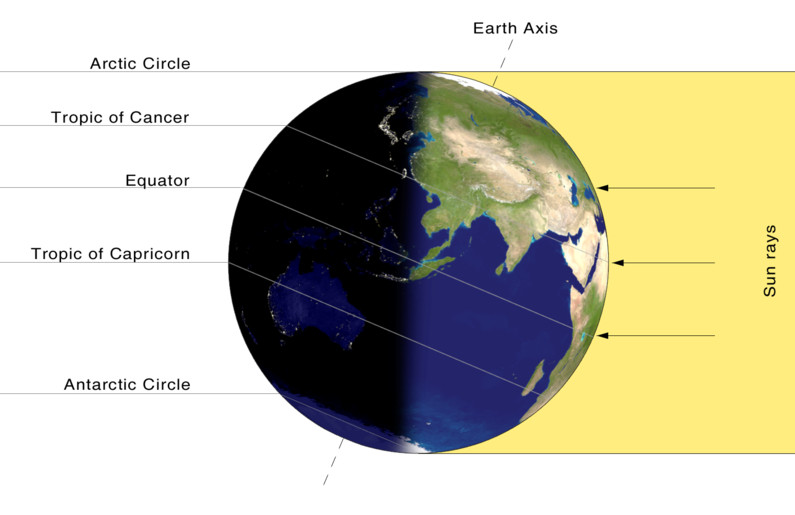
The Winter Solstice occurs when the North Pole is tilted at its furthest from the sun – 23.5 degrees away. This results in the shortest day of the year in the Northern Hemisphere.
Here in Denver, with sunrise at 7:17am and sunset at 4:38pm, our day Friday will be 9 hours, 21 minutes and 16 seconds long.
The following day, Saturday, it will be one second longer and each day from now through to the Summer Solstice in June will get gradually longer as well.
While we have a short day today, it is nothing like what will be experienced in the Arctic Circle. Areas north of there to the North Pole will have no direct sunlight at all. Conversely, areas south of the Antarctic Circle toward the South Pole will have 24 hours of daylight and have a midnight sun.
Did you know that there is a difference between the astronomical seasons that we are discussing here and meteorological seasons?
Meteorological seasons differ slightly and are geared toward matching the calendar with the annual temperature cycle. This is done primarily for meteorological observing and forecasting and in many ways it is more logical than the astronomical seasons.
For the Northern Hemisphere, the meteorological spring covers the months of March, April and May. Summer brings the hottest months of the year and so meteorological summer is June, July and August. Meteorological fall then is September, October and November followed by the coldest months of December, January and February as meteorological winter.
December 16 to December 22: This Week in Denver Weather History
Many notable high wind and heavy snow events appear on our look back at this week in Denver weather history. Perhaps the one most residents will remember is the 2006 pre-Christmas blizzard which buried Denver under a blanket of white that lasted until February.
From the National Weather Service:
15-16
In 1964…high winds raked metro Denver…causing considerable damage. Wind gusts to 81 mph were recorded at Rocky Flats northwest of Denver…94 mph at Jefferson County Airport near Broomfield…48 mph in downtown Boulder…and 70 mph in Littleton. West wind gusts to 67 mph were recorded at Stapleton International Airport. A man working on construction in downtown Denver died from injuries after being struck by a 5-foot by 8-foot section of plank runway blown by the strong winds. Several people were blown down by the strong winds or hit by flying objects. Buildings… Roads…trees…and power equipment were damaged. Roads were closed east of Denver due to blowing dust.
In 1981…wind gusts to 60 mph were common in the foothills northwest of Denver. West wind gusts to 47 mph were recorded at Stapleton International Airport where the visibility was briefly reduced to 3 miles in blowing dust.
In 1996…strong pre-frontal winds developed in the foothills of Boulder County ahead of an arctic cold front that moved into northeastern Colorado late on the morning of the 16th. Wind gusts of 70 to 75 mph were clocked at Table Mesa in southwest Boulder.
16
In 1912…northwest winds were sustained to 44 mph with an extreme velocity of 45 mph.
In 1921…north winds were sustained to 46 mph with gusts to 50 mph behind a vigorous cold front. Only a trace of snow fell.
In 1954…a vigorous cold front produced sustained north winds to 45 mph with gusts as high 54 mph. Visibility was reduced to 1 mile in blowing dust at Stapleton Airport.
In 1955…sustained west winds to 44 mph with gusts as high as 58 mph were recorded at Stapleton Airport.
In 1994…a wind gust to 108 mph was recorded atop Squaw Mountain west of Denver with a gust to 92 mph in Rollinsville southwest of Boulder. West winds gusted to 48 mph at Stapleton International Airport.
In 1996…a vigorous arctic cold front moved across metro Denver. Heavy snow and strong winds accompanied the front as near whiteout conditions in snow and blowing snow developed suddenly. Northerly winds gusted from 40 to 60 mph behind the front. Dozens of accidents occurred as roads and highways quickly turned to a glaze of ice. Snowfall amounts ranged from 4 to 6 inches across metro Denver and in the foothills. The exception was at Eldorado Springs south of Boulder where 8 inches of new snow were measured. Snowfall totaled only 1.8 inches at the site of the former Stapleton International Airport. Officially…this was the only measurable snow of the month in Denver. At Denver International Airport…north winds gusted to 34 mph.
In 1999…another brief round of high winds developed in and near the foothills of Boulder County. Peak wind gusts included 83 mph at the National Center for Atmospheric Research near Boulder and 74 mph atop Niwot Ridge and at the national wind technology center on Rocky Flats south of Boulder. West winds gusted to only 33 mph at Denver International Airport where the temperature warmed to a high of 54 degrees.
In 2000…high winds in the mountains spread into the foothills west of Denver. Winds gusted to 87 mph at Georgetown Lake and at the National Center for Atmospheric Research in Boulder. Winds gusted to 72 mph at the national wind technology center south of Boulder.
16-17
In 1908…heavy snowfall totaled 7.9 inches in downtown Denver where north winds were sustained to 20 mph on the 17th. Temperatures were in the teens and 20’s.
In 1939…low temperatures of 49 degrees on the 16th and 43 degrees on the 17th were record high minimums for the dates. High temperatures of 65 on the 16th and 72 on the 17th were not records.
In 1980…Chinook winds blew through the night in Boulder with a peak reported gust to 75 mph. Northwest winds gusted to 30 mph at Stapleton International Airport on the 17th. The strong Chinook winds warmed temperatures to record daily highs of 70 degrees on the 16th and 73 degrees on the 17th.
In 2016…the presence of a warm and moist southwesterly flow aloft…overrunning an Arctic airmass with shallow post frontal upslope produced a band of very heavy snowfall across the Denver metro area. The enhanced band of heavy snow extended west into the Front Range mountains and foothills with snowfall rates up to 2 inches per hour. Multiple accidents occurred during the evening hours of the 16th as the snow quickly piled up. Three hundred flights were canceled at Denver International Airport as the winter storm moved through the Denver metro area early morning hours of the 17th. Storm totals in the Front Range mountains and foothills included: 16 inches at Loveland Ski Area; 12 inches near Conifer…11 inches at Winter Park Ski Area…10.5 inches at Bergen Park… 10 inches at Echo Lake…with 9.5 inches at Aspen Springs and Evergreen. In and around metro Denver…storm totals included: 11.5 inches in Wheat Ridge…11 inches in Arvada.. 9 inches near Morrison…8 inches at Denver International Airport…Denver/Stapleton…Marston Reservoir and Ralston Reservoir; 7.5 inches in Westminster; 6.5 inches…5 miles northeast of Westminster; 6 inches in Aurora…5 miles west-northwest of Brighton…Englewood and near Louisville.
17
In 2000…high winds gusting from 60 to 74 mph howled across the northeast plains of Colorado. In Parker where winds gusted to 60 mph…a 20-foot by 40-foot piece of roof was ripped from a building. West winds gusted to 53 mph at Denver International Airport. This was the highest wind gust of the month at the airport. An intense…but very localized wind gust to 112 mph was measured near Georgetown lake in the foothills west of Denver.
17-24
In 1924…a prolonged cold spell occurred after mild temperatures during the first half of the month. Most low temperatures dipped below zero with the coldest reading of 15 degrees below zero occurring on the 24th. The high temperature of only 5 degrees on the 18th was a record low maximum for the date.
18
In 1901…north winds were sustained to 52 mph with gusts to 58 mph behind an apparent cold front.
In 1973…a brief blizzard dumped heavy snow across metro Denver. Snowfall totaled 9.2 inches at Stapleton International Airport where north winds gusting to 53 mph produced much blowing snow. The storm forced many schools and businesses to close.
In 1996…a homeless man in Denver was found unconscious in his car suffering from exposure. The man’s body temperature was only 85 degrees when he was discovered. He died several hours later. Early morning temperatures had dipped to 9 degrees below zero.
In 1999…high winds were reported for a brief time in the foothills. Winds gusted to 72 mph in Golden Gate Canyon and to 71 mph at the National Center for Atmospheric Research in the foothills southwest of Boulder. West winds gusted to only 39 mph at Denver International Airport where the temperature warmed to a high of 53 degrees.
In 2002…only a trace of snow fell at the site of the former Stapleton International Airport. This…along with the trace of snow on the 5th…was the only snow of the month…ranking the month the 2nd least snowiest on record.
18-19
In 2012…a storm system brought moderate to heavy snow to the mountains and foothills west of metropolitan Denver and blizzard conditions to plains east of Denver metro area. The combination of snow and wind reportedly reduced visibility to just a few hundred feet at times…and resulted in several road closures including Interstate 70 east of Aurora. East of Denver gusty northerly winds ranged from 35 to 55 mph produced extensive blowing and drifting snow…ranging from 1 to 4 feet in depth. Storm totals ranged from 3 to 5 inches. In the mountain and foothills…the heaviest snowfall occurred along and north of I-70 and included: 12 inches at Genesee…9 inches near Eldorado Springs; 8.5 inches at Coal Creek Canyon…8 inches near Evergreen…with 6 inches at Eldora Ski Area…Idaho Springs…Gross Reservoir and Nederland. At Denver International Airport…1.7 inches of snowfall was observed. In addition…a peak wind gust to 35 mph was observed from the north on the 19th.
December 9 to December 15: This week in Denver weather history
Heavy snow and damaging wind are at the forefront of our look back at this week in Denver weather history.
From the National Weather Service:
2-17
In 1939…more than 2 weeks of unseasonably warm weather made the month the 3rd warmest on record. Seven daily temperature records were set…including the all-time record high temperature for the month of 79 degrees on the 5th. Daytime highs were balmy with 14 days in the 60’s and 70’s. Low temperatures dipped to freezing or below on only 5 days. The period was dry with only a trace of snow on the 12th.
3-15
In 1972…a protracted cold spell held an icy grip on metro Denver when maximum temperatures never reached above freezing for 10 consecutive days from the 3rd through the 12th and minimum temperatures dipped below zero on eleven consecutive days from the 5th through the 15th. Daily low temperature records were set with 15 degrees below zero on the 5th…17 degrees below zero on the 6th… And 18 degrees below zero on the 10th. Daily record low maximum readings were set with 3 degrees on the 6th and 6 degrees on the 9th. The very cold temperatures were caused by 3 to 5 inches of snow cover and a Canadian air mass.
7-9
In 1919…an apparent arctic cold front brought extreme cold and light snow to the city. Snowfall totaled only 2.5 inches on the 7th and 8th. Temperatures dipped to lows of 14 degrees below zero on the 8th and to 20 degrees below zero on the 9th. Both readings were daily record minimums. High temperatures were only 4 degrees on the 8th and 7 degrees on the 9th.
In 1923…a major storm dumped 13.5 inches of snowfall on downtown Denver. The apparent post-frontal snowfall started during the late afternoon of the 7th and continued through the evening of the 9th. Temperatures dipped from a high of 66 degrees on the 7th with west winds sustained to 35 mph to a low of only 14 degrees on the 9th…with north winds sustained to 25 mph.
8-9
In 1943…4.5 inches of snow fell in downtown Denver. This was the only measurable snow of the month. North winds were sustained to 26 mph on the 8th.
In 2003…snowfall totaled 3 to 6 inches across metro Denver. Snowfall was heavier in and near the foothills with 8.0 inches measured in Boulder and 10 miles southwest of Sedalia. Snowfall was 3.9 inches at the site of the former Stapleton International Airport. Most of the snow fell on the 8th…as the snow ended shortly after midnight. North winds gusted to 29 mph at Denver International Airport.
In 2008…an upslope snowstorm produced heavy snow in and near the foothills of Boulder…Jefferson and Douglas counties… And along the palmer divide south of Denver. Storm totals in the foothills ranged from 8 to 15 inches. In Boulder and in areas west and south of Denver…storm totals ranged from 6 to 13 inches. The snowfall measurement at Denver International Airport was 3.9 inches.
8-10
In 1985 a slow moving storm dumped 10 to 20 inches of snow over the northeast plains…closing schools and businesses in many areas along the Front Range north of Denver. At Stapleton International Airport…snowfall totaled 9.9 inches with a maximum snow depth of 7 inches on the ground. North winds gusted to 24 mph. The snow caused long air traffic delays at Stapleton International Airport on the 9th.
In 1997…persistent light to moderate snowfall combined with strong and gusty northerly winds to produce much blowing and drifting snow across metro Denver. The hardest hit areas were south of Denver where north winds at speeds of 20 to 35 mph with gusts to 45 mph caused near whiteout conditions. The strong winds produced drifts 2 to 4 feet deep and dropped wind chill temperatures well below zero. Sections of both I-25 and I-70 and other roads were closed as travel became impossible due to blowing snow. Numerous traffic accidents were reported and a handful of people were stranded during the snowstorm. Snowfall totals included: 22 inches at Conifer…13 inches at Castle Rock…12 inches at Parker…and 8 inches in southeast Aurora. Snowfall totaled 5.5 inches at the site of the former Stapleton International Airport. North winds gusted to 36 mph at Denver International Airport on the 10th.
8-12
In 1932…the second longest sub-zero period on record in Denver occurred. The temperature fell below zero shortly after 1:00 pm on the 8th and remained below zero for 92 hours until 9:00 am on the 12th. The lowest temperature recorded during this period was 13 degrees below zero on both the 9th and 11th. That temperature on the 11th was a record low for the date. High temperatures of 4 on the 8th…5 below zero on the 9th…1 below zero on the 10th… And 6 below zero on the 11th were record low maximum temperatures for those dates. Light north winds at 5 to 10 mph were accompanied by occasional light snow…which totaled only 2.2 inches.
9
In 1898…the very cold air mass that settled over the city behind an apparent cold front on the 7th plunged temperatures to a low of 20 degrees below zero. The high temperature climbed to only 5 degrees.
In 1910…Chinook west winds sustained to 46 mph warmed the temperature to 60 degrees…the warmest reading of the month that year.
In 1919…the minimum temperature dipped to 20 degrees below zero in downtown Denver…setting a record low for the date.
In 1984…high winds occurred in the foothills with a gust to 69 mph recorded at Golden Gate Canyon west of Denver. West winds gusted to 36 mph at Stapleton International Airport.
In 1992…high winds were recorded over most of the day in the Front Range foothills. Wind gusts to 95 mph were measured in the Table Mesa area of Boulder. Northwest winds gusted to 43 mph at Stapleton International Airport.
In 1993…a weather observer in Boulder recorded a wind gust to 73 mph. North winds gusted to 37 mph at Stapleton International Airport.
In 1998…metro Denver and areas in the foothills received the first significant snowfall in more than a month. The upslope snow event deposited up to 17 inches in the foothills with generally 4 to 8 inches across metro Denver west of I-25. Snowfall totals included 17 inches at crescent park and 16 inches in nearby Coal Creek Canyon. Other snow amounts included: 16 inches at Tiny Town; 14 inches at Chief Hosa…Evergreen…and Genesee; 13 inches in Conifer; 12 inches at Nederland; 11 inches in Eldorado Canyon; 9 inches just west of Boulder; 8 inches in Boulder; and 7 inches in Broomfield and Golden. Only 3.6 inches of snow fell at the site of the former Stapleton International Airport. Northeast winds gusted to 26 mph at Denver International Airport.
9-13
In 1961…cold arctic air produced a protracted cold period. The temperature plunged to 16 degrees below zero on the 10th…establishing a new record for the date and the coldest reading since 25 degrees below zero on February 1… 1951. Low temperatures dipped below zero on 5 consecutive days with 9 degrees below zero on the 9th…16 below on the 10th…10 below on the 11th…and 12 below on both the 12th and 13th. High temperatures reached only 3 degrees on the 10th and 6 degrees on the 11th.
10
In 1953…snowfall totaled 3.8 inches at Stapleton Airport where northeast winds were sustained at speeds to 47 mph and gusted to 60 mph behind a cold front.
In 1969…sustained winds of 30 mph with gusts to 55 mph in downtown Boulder caused minor damage. Northwest winds gusted to 39 mph at Stapleton International Airport.
In 1980…winds to 60 mph whistled through Boulder.
In 1987…strong winds in the foothills spread over northern portions of metro Denver. Wind gusts of 60 to 75 mph were common in Boulder and southwestern weld counties. However… The highest reported wind gust…94 mph…occurred near Rollinsville. A northwest wind gust to 36 mph was recorded at Stapleton International Airport.
December 2 to December 8: This Week in Denver Weather History
This week has historically been an extremely eventful one in Denver with many notable weather events, most of which are snow or wind related. The most significant event occurred 99 years ago when the city received its biggest snowstorm on record – an astonishing 45.7 inches. Details on that event and many others are below.
From the National Weather Service:
30-2
In 1975…very strong Chinook winds up to 100 mph caused damage to homes…aircraft…aircraft hangars…mobile homes… Cars…and power lines along the eastern foothills. Strong northwest winds gusted to 39 mph at Stapleton International Airport on both the 30th and the 1st.
1-2
In 1933…apparent post-frontal heavy snowfall totaled 8.0 inches across downtown Denver. North winds were sustained to 17 mph with an extreme velocity to 18 mph on the 1st.
In 1981 strong winds gusted to over 70 mph along the foothills. A peak gust to 100 mph was recorded at Wondervu. A gust to 94 mph was recorded just west of Boulder. Roofs on houses were damaged in the Evergreen area…and some mobile homes also were damaged. At Stapleton International Airport…northwest winds gusted 44 mph on the 1st and 37 mph on the 2nd.
1-5
In 1913…the 1st marked the start of the heaviest 5-day total snowfall in the city’s history. During this period snowfall totaled 45.7 inches. Starting on the 1st…snow fell intermittently for 3 days and accumulated a little over 8 inches. On the 4th and 5th…an additional 37.4 inches of snow fell. At Georgetown in the foothills west of Denver even more snow fell…86 inches over the 5 days with the most…63 inches…on the 4th. In Colorado…snowfall was heavy along the eastern slopes of the mountains from the palmer divide north. High winds during the storm caused heavy drifting…which blocked all transportation. Snow cover of an inch or more from the storm persisted for 60 consecutive days from the 1st through January 29…1914. Additional snowfall in December and January prolonged the number of days. This is the third longest period of snow cover on record in the city.
2
In 1893…northwest winds were sustained to 42 mph with gusts to 46 mph. Snowfall was only 1.4 inches in the city.
In 1895…0.01 inch of melted snow from 0.7 inch of snowfall was the only measurable precipitation of the month in downtown Denver…ranking the month the 3rd driest December on record.
In 1899…post-frontal northeast winds sustained to 44 mph with gusts to 59 mph caused the temperature to plunge from a high of 55 degrees to a low of 15 degrees. Snowfall was only 1.0 inch.
In 1902…apparent post-frontal northwest winds were sustained to 45 mph with gusts to 53 mph. A trace of snow fell.
In 1905…only a trace of snow fell in downtown Denver. This was the only snow and precipitation for the month… Ranking the month the second driest and the second least snowiest December on record.
In 1921…snowfall was 5.5 inches in downtown Denver. Northwest winds were sustained to 24 mph with an extreme velocity of 25 mph.
In 1951…a vigorous pacific cold front produced a northwest wind gust to 51 mph at Stapleton Airport where brief blowing dust was observed.
In 1957…a strong pacific cold front produced northwest wind gusts to 54 mph at Stapleton Airport where the surface visibility was briefly reduced to 1 1/2 miles in blowing dust.
In 1977…high winds in Boulder lifted a warehouse from its foundation and ripped it apart. Wind gusts from 60 to 103 mph toppled and injured a man while walking. Winds were clocked to 104 mph at Nederland…100 mph at Morrison…and 62 mph at Rocky Flats. Northwest winds gusted to 41 mph at Stapleton International Airport.
In 1996…for the second day in a row high winds ripped the Front Range foothills. Winds gusted to 81 mph in Golden Gate Canyon. West-northwest winds gusted to 37 mph at Denver International Airport.
In 2013…high winds developed ahead of an approaching storm system. The strong winds downed several trees around Evergreen. Peak wind gusts included: 79 mph…4 miles west-southwest of Eldorado Springs; 78 mph…3 miles south of Evergreen; 75 mph and the NCAR Mesa Lab; and 69 mph in Longmont.
Thornton’s month of November saw us get a real taste of what is to come for the next few months. Temperatures cooled considerably and we saw a decent bit of snow although not as much as normal.
The first five days of the month started out relatively mild but then we saw a series of systems interrupt the calm. Temperatures turned colder and on the 11th and 12th we received a nice little snowfall. We briefly warmed up then saw some light rain on the 18th and 19th and then once again warmed back up. The month closed out with a chilly day and some light snow.
Thornton saw an overall average temperature for the month of 36.8 degrees. This was a good bit colder than Denver’s long term average for the month of 38.3 degrees. Out at DIA where Denver’s official measurements are taken, it was a good bit warmer with an average of 37.8 degrees.
Temperatures for us ranged from a high of 64.7 degrees on the 2nd of the month down to a cold low of 15.7 degrees on the morning of the 26th. Denver’s high of 65 degrees on the 2nd matched ours but their coldest reading of 10 on the 12th was notably colder than our lowest reading.
November’s long term precipitation average in Denver is 0.61 inches. Thornton managed about half that in our bucket with 0.31 inches with Denver close to us at 0.35 inches.
Snowfall was respectable but not notable. Thornton recorded 6.3 inches of the white stuff while Denver, as usual, lagged with 4.5 inches. Both measurements were below Denver’s long term November average of 8.7 inches.
Thornton, Colorado’s November 2018 temperature summary. (ThorntonWeather.com)Thornton, Colorado’s November 2018 precipitation summary. (ThorntonWeather.com)
CLIMATE REPORT
NATIONAL WEATHER SERVICE DENVER/BOULDER CO
929 AM MST MON DEC 3 2018
...................................
...THE DENVER CO CLIMATE SUMMARY FOR THE MONTH OF NOVEMBER 2018...
CLIMATE NORMAL PERIOD 1981 TO 2010
CLIMATE RECORD PERIOD 1872 TO 2018
WEATHER OBSERVED NORMAL DEPART LAST YEAR`S
VALUE DATE(S) VALUE FROM VALUE DATE(S)
NORMAL
................................................................
TEMPERATURE (F)
RECORD
HIGH 81 11/27/2017
LOW -18 11/29/1877
HIGHEST 65 11/02 73 -8 81 11/27
LOWEST 10 11/12 -6 16 22 11/15
11/12
AVG. MAXIMUM 50.6 52.1 -1.5 61.1
AVG. MINIMUM 25.0 24.5 0.5 29.4
MEAN 37.8 38.3 -0.5 45.3
DAYS MAX >= 90 0 0.0 0.0 0
DAYS MAX <= 32 2 2.3 -0.3 0
DAYS MIN <= 32 27 23.4 3.6 22
DAYS MIN <= 0 0 0.6 -0.6 0
PRECIPITATION (INCHES)
RECORD
MAXIMUM 3.21 1946
MINIMUM T 1899
1901
1949
TOTALS 0.35 0.61 -0.26 0.29
DAILY AVG. 0.01 0.02 -0.01 0.01
DAYS >= .01 6 4.7 1.3 3
DAYS >= .10 1 1.6 -0.6 1
DAYS >= .50 0 0.0 0.0 0
DAYS >= 1.00 0 0.0 0.0 0
GREATEST
24 HR. TOTAL 0.17 11/11 TO 11/11 11/17 TO 11/17
SNOWFALL (INCHES)
RECORDS
TOTAL 4.5 8.7
RECORD NOVEMBER 42.5 1946
DEGREE_DAYS
HEATING TOTAL 808 801 7 586
SINCE 7/1 1373 1382 -9 1171
COOLING TOTAL 0 0 0 0
SINCE 1/1 1026 769 257 881
FREEZE DATES
RECORD
EARLIEST 09/08/1962
LATEST 06/08/2007
EARLIEST 10/07
LATEST 05/05
.................................................................
WIND (MPH)
AVERAGE WIND SPEED 9.8
RESULTANT WIND SPEED/DIRECTION 2/225
HIGHEST WIND SPEED/DIRECTION 48/330 DATE 11/24
HIGHEST GUST SPEED/DIRECTION 62/320 DATE 11/24
SKY COVER
POSSIBLE SUNSHINE (PERCENT) MM
AVERAGE SKY COVER 0.50
NUMBER OF DAYS FAIR 8
NUMBER OF DAYS PC 16
NUMBER OF DAYS CLOUDY 6
AVERAGE RH (PERCENT) 56
WEATHER CONDITIONS. NUMBER OF DAYS WITH
THUNDERSTORMS 0 MIXED PRECIP 0
HEAVY RAIN 0 RAIN 0
LIGHT RAIN 2 FREEZING RAIN 0
LIGHT FREEZING RAIN 1 HAIL 0
HEAVY SNOW 0 SNOW 3
LIGHT SNOW 9 SLEET 0
FOG 8 DENSE FOG 2
HAZE 2
- INDICATES NEGATIVE NUMBERS.
R INDICATES RECORD WAS SET OR TIED.
MM INDICATES DATA IS MISSING.
T INDICATES TRACE AMOUNT.
November brought Thornton cooler than normal temperatures and a bit more snow than usual. What will December hold for us?
The month of December brings with it the official start of winter and oftentimes, colder and snowier weather conditions.
It however can also offer unseasonably warm temperatures and bone dry conditions. Given our recent mild and dry weather, we are certainly hoping for a change in the coming month.
Overall December’s monthly mean temperature of 30.0 degrees (1981 – 2010 averages) makes it our coldest month. Snow is always on everyone’s mind this time of year but December is only our 3rd snowiest month behind March and November with an average of 8.5 inches of the white stuff.
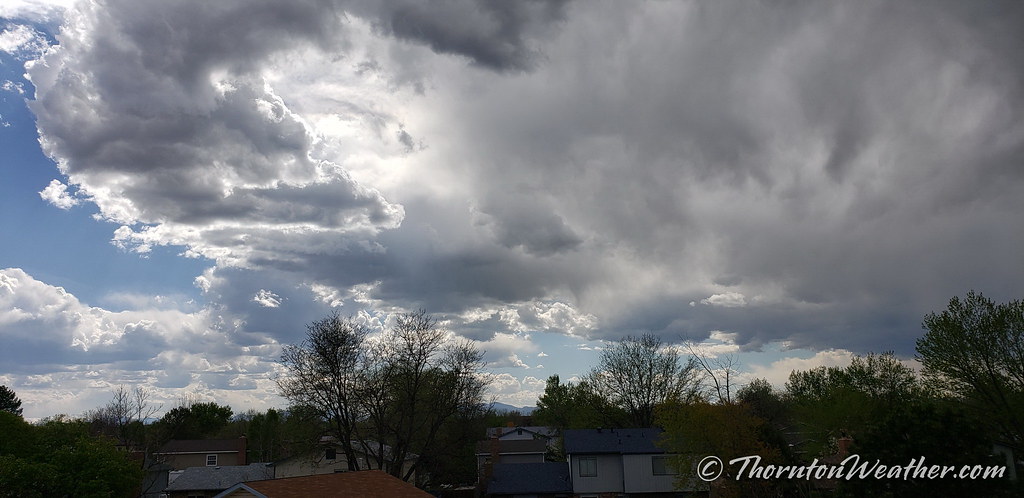
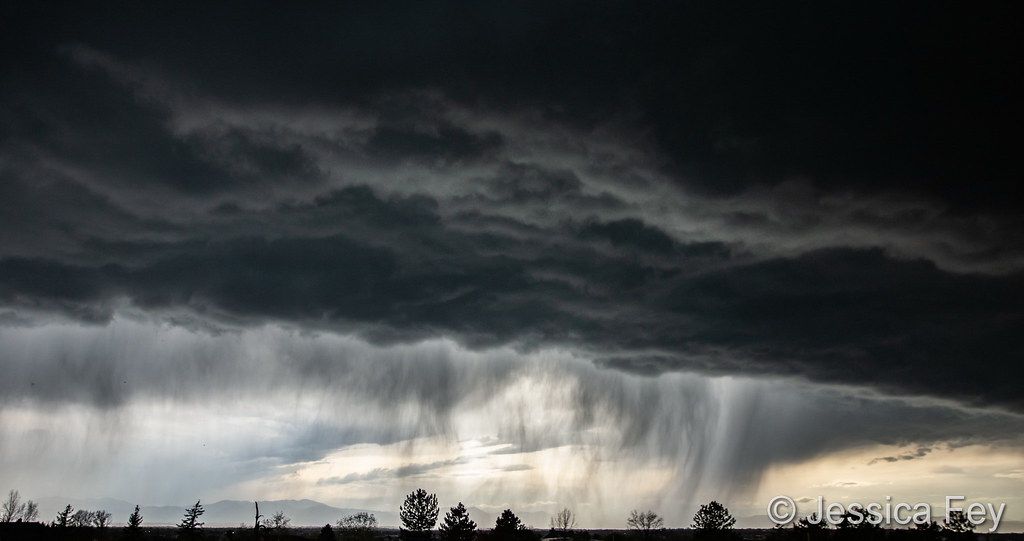
Cool clouds over Thornton on an unsettled day. (LE Worley)
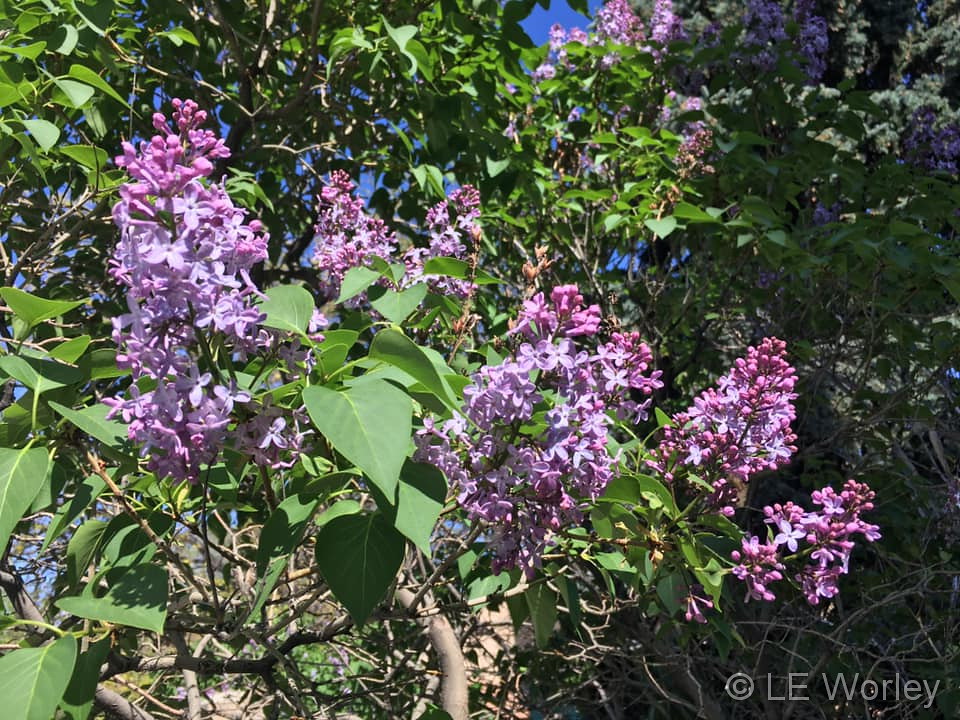
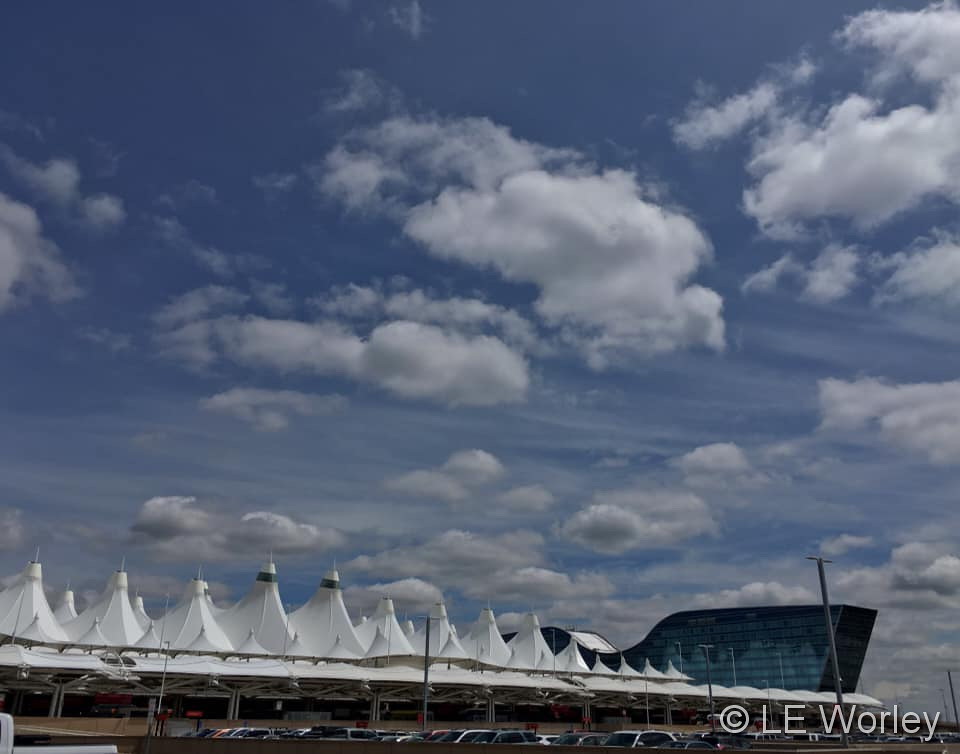
Typically November is a quiet weather month with plenty of nice, fall days but it can also turn wet with healthy doses of snow and moisture. The wide variety of conditions can create picturesque scenes ranging from blue skies and snow-capped mountains to a wintry wonderland in the metro area.
November is the second snowiest month of the year so winter conditions are not unusual. Typically though, these bouts of cold are short-lived and normal daytime conditions are pleasant.
Outdoor activities continue to be quite popular during the month. The cooling temperatures do oftentimes lead to an increase in wildlife activity.
All of the above help lead to a month in which a wide variety of scenes, flora and fauna can be captured.
Slideshow updated November 28, 2018
To learn more about how to send your photo to us for inclusion in the slideshow, see below the slideshow.
Showcasing images captured by ThorntonWeather.com readers as well as some of our own, our monthly slideshow covers the entire gamut of weather-related imagery.
Sunsets, sunrises, wildlife and of course every type of weather condition are vividly depicted in images captured from yours and our cameras.
[flickr_set id=”72157699958645692″]
What is missing in the slideshow above? Your photo!
Our monthly photo slideshow is going to feature images that we have taken but more importantly images that you have captured. The photos can be of anything even remotely weather-related.
Landscapes, current conditions, wildlife, pets, kids. Whimsical, newsy, artsy. Taken at the zoo, some other area attraction, a local park, a national park or your backyard. You name it, we want to see and share it!
Images can be taken in Thornton, Denver or anywhere across the extraordinary Centennial State. We’ll even take some from out of state if we can tie it to Colorado somehow.
We’ll keep the criteria very open to interpretation with just about any image eligible to be shown in our slideshows.
What do you win for having your image in our slideshow? We are just a ‘mom and pop’ outfit and make no money from our site so we really don’t have the means to provide prizes. However you will have our undying gratitude and the satisfaction that your images are shared on the most popular website in Thornton.
To share you images with us and get them included in the slideshow just email them to us or share them with ThorntonWeather.com on any of the various social media outlets. Links are provided below.
November 25 to December 1: This week in Denver weather history
From powerful, damaging wind to snowstorms that snarled Thanksgiving holiday traffic, this week in Denver weather history has been an eventful one.
From the National Weather Service:
21-25
In 1952…snowfall of 6.2 inches was measured at Stapleton Airport where northeast winds gusted to 17 mph on the 21st.
24-25
In 1908…heavy snowfall totaled 7.0 inches over downtown Denver overnight. North winds were sustained to 15 mph.
In 1930 strong winds raked the Front Range eastern foothills. Winds gusted to 40 mph at Valmont just east of Boulder where minor damage occurred.
In 1970…strong Chinook winds warmed Boulder. At the National Center for Atmospheric Research in Boulder…wind gusts reached 97 mph…while in downtown Boulder winds peaked to 69 mph. Some minor damage occurred. Northwest winds gusted to 39 mph at Stapleton International Airport…and the high temperature warmed to 76 degrees on the 25th…setting a new record maximum for the date.
25
In 1877…northwest winds were sustained to 50 mph.
In 1902…northwest winds were sustained to 45 mph with gusts to 48 mph. The strong apparent bora winds warmed the temperature to a high of only 45 degrees.
In 1943…snowfall of 4.0 inches was the only measurable snow of the month. North winds were sustained to 17 mph.
In 1958…strong pre-frontal Chinook winds struck Boulder and the eastern foothills. A wind gust to 100 mph was recorded northwest of Denver. A gust to 88 mph occurred at Rocky Flats south of Boulder. The windstorm caused considerable structural damage to residential sections of north metro Denver.
In 1959…strong winds raked the eastern foothills including Boulder and Eldorado Springs. Wind gusts to 100 mph were estimated at the Matterhorn Restaurant located atop Rocky Flats south of Boulder.
In 1993…a wind gust to 99 mph was recorded atop Squaw Mountain near Idaho Springs.
In 1998…strong winds developed over portions of the Front Range foothills for a brief time following the passage of a weak upper level disturbance. A wind gust to 71 mph was measured atop Blue Mountain near Coal Creek Canyon.
In 1999…strong Chinook winds developed in and near the foothills. Peak wind reports included 100 mph at the Eldora Ski Resort and 77 mph at the National Center for Atmospheric Research mesa lab above Boulder. West winds gusted to 38 mph at Denver International Airport.
In 2010…high winds developed in the foothills of Boulder County. A gust to 75 mph occurred 5 miles northwest of Boulder with a gust to 72 mph at the National Center for Atmospheric Research Mesa Lab above Boulder. West winds gusted to 24 mph at Denver International Airport.
25-26
In 1887…snowfall totaled 2.9 inches in the city. This was the only measurable snow of the month. Northeast winds were sustained to 18 mph on the 26th when the temperature dipped to 12 degrees below zero.
In 1959…a sharp cold front produced a northwest wind gust to 51 mph…followed by snow and falling temperatures from a high of 60 degrees to a low of 23 degrees at midnight on the 25th. Snowfall totaled 4.4 inches at Stapleton Airport before ending early on the 26th.
In 1972…winds gusted to 104 mph at the Rocky Flats plant south of Boulder. Gusts to 70 mph were recorded at the National Bureau of Standards in Boulder…while in downtown Boulder winds peaked to 68 mph. Some damage was reported. Northwest winds gusted to 47 mph at Stapleton International Airport on the 26th.
In 1984…blowing snow closed I-70 east of Denver…stranding over a thousand travelers in Limon. Denver received only 2.3 inches of snowfall. North winds gusted to 31 mph at Stapleton International Airport.
In 1999…strong Chinook winds redeveloped overnight in and near the foothills. Peak wind gusts included 72 mph atop Blue Mountain near Wondervu and at the National Center for Atmospheric Research mesa lab above Boulder.
25-27
In 1978…heavy snowfall of 6.0 inches was measured at Stapleton International Airport where north winds gusted to 20 mph. Most of the snow…4.8 inches…fell on the 25th. The greatest amount of snow measured on the ground was 5 inches due to settling and melting.
25-28
In 1952…the average coldest 4-day period in November in the previous 81 years of record occurred. Maximum temperatures of 19…15…21…and 25 degrees were recorded. Minimum temperatures were below zero each day with readings of 7 below…6 below…5 below…and 6 below.
25-29
In 1985…dense fog with visibilities as low as 1/8 mile occurred on five consecutive days at Stapleton International Airport. The fog was at times accompanied by light snow… Light freezing drizzle…or ice crystals. Fog occurred all day on both the 26th and 29th.
26
In 1873…west winds increased to a violent gale at 3:00 am and reached a maximum sustained velocity of 56 mph at 3:15 am. The winds continued with a velocity of not less than 40 mph until 6:00 am. Winds continued brisk for the remainder of the day. The strong winds caused damage to houses and buildings in the city. Temperatures were in the 50’s through early afternoon with a recorded high of 59 degrees. Winds also blew strongly in Boulder and caused 300 dollars in damage.
In 1911…post-frontal northeast winds were sustained to 43 mph with gusts as high as 52 mph. Snowfall was only 0.5 inch.
In 1965…post-frontal snowfall totaled 5.5 inches at Stapleton International Airport where strong west winds gusted to 39 mph during the afternoon.
In 1976…2 to 4 inches of snow with an arctic cold front produced near zero visibility at times in blowing snow… Causing multiple automobile accidents in metro Denver. Snowfall totaled 3.5 inches at Stapleton International Airport where north winds gusted to 39 mph. Temperatures hovered in the teens and lower 20’s most of the day dipping to 7 degrees by midnight.
In 1977 a strong wind storm raked metro Denver. High winds blew windows from office towers in Denver and Boulder. Thirteen people were injured in Boulder due to flying debris. Wind gusts to 119 mph were clocked on Davidson Mesa southeast of Boulder…with 109 mph in downtown Boulder. Six airplanes were damaged at Jefferson County Airport near Broomfield. Winds to 90 mph were reported in Lakewood. Glass was blown out of several vehicles in Wheat Ridge…and roofs were blown off 4 houses in Arvada. Several houses under construction collapsed across metro Denver. Winds to 75 mph were reported at the Denver Federal Center with 90 mph at Rocky Flats. West winds gusted to 51 mph at Stapleton International Airport. Total insured damage from the wind storm was 2.2 million dollars.
In 1987…a Thanksgiving snowstorm brought 5 inches of snow to metro Denver and 6 inches to the foothills. At Stapleton International Airport…snowfall totaled 5.0 inches…north winds gusted to 22 mph…and temperatures hovered in the upper 20’s most of the day.
In 1991…strong winds were recorded in and near the eastern foothills. Winds at Rollinsville were clocked to 70 mph with 45 mph recorded in Boulder and 51 mph at the U.S. Atomic Energy Commission Rocky Flats plant. West winds gusted to only 28 mph at Stapleton International Airport.