A massive thunderstorm 1,900 miles wide lasting more than 9 months is occuring on Saturn.
A thunderstorm that would encompass an area from San Francisco to the Mississippi River was recorded on Saturn. The storm, recorded by NASA’s Cassini spacecraft, has lasted an amazing 9 months so far and became a record setter for the longest lightning storm recorded in the solar system. The previous longest storm duration was 7 ½ months, also set on Saturn, between November 2007 and July 2008.
Scientists speaking at the European Planetary Science Congress (EPSC) said instruments onboard Cassini recorded the storms that are 10,000 times more powerful than lightning storms on Earth. This record breaking storm is the ninth that the spacecraft has recorded on Saturn since it arrived at the planet in July 2004.
Saturn is well known for its severe thunderstorms that usually occur in an area scientists have dubbed ‘Storm Alley’ – something akin to Tornado Alley in the central United States although much bigger in area and the storms are much more powerful. The area on Saturn lies 35 degrees south of Saturn’s equator and scientists aren’t entirely sure why this area is a hot bed for activity.
For the next few days residents of the Denver area will be able to get a glimpse of the space station over the southern skies. Tonight it will be visible starting at 7:56pm in the south-southwest sky, about 10 degrees above the horizon. That is pretty low but come Friday and Sunday the angles are a bit higher. Be sure to check it out!
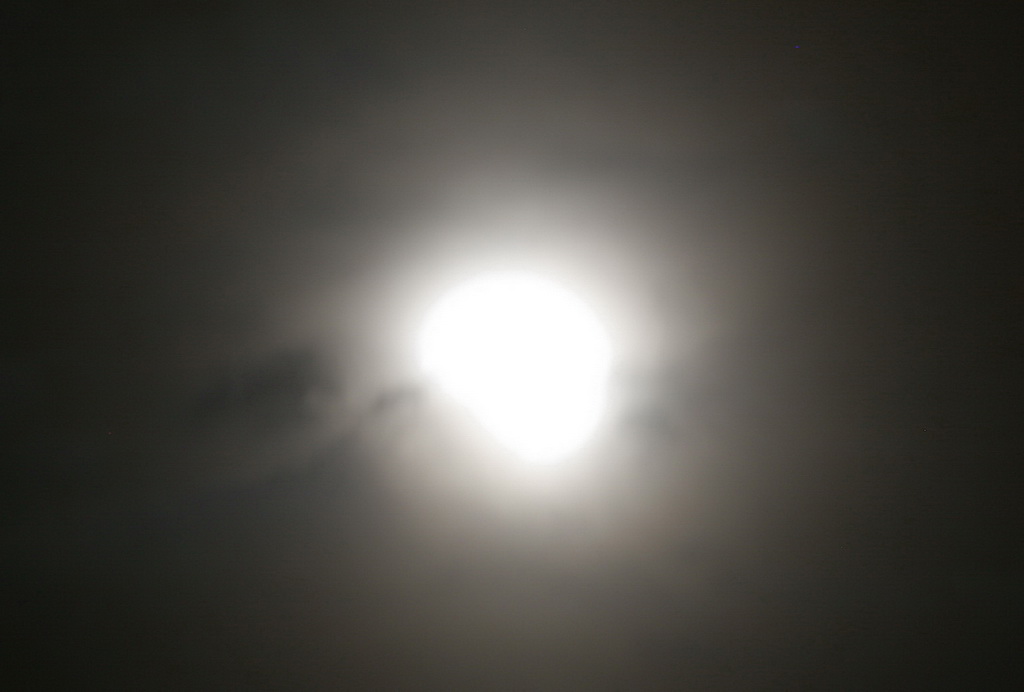
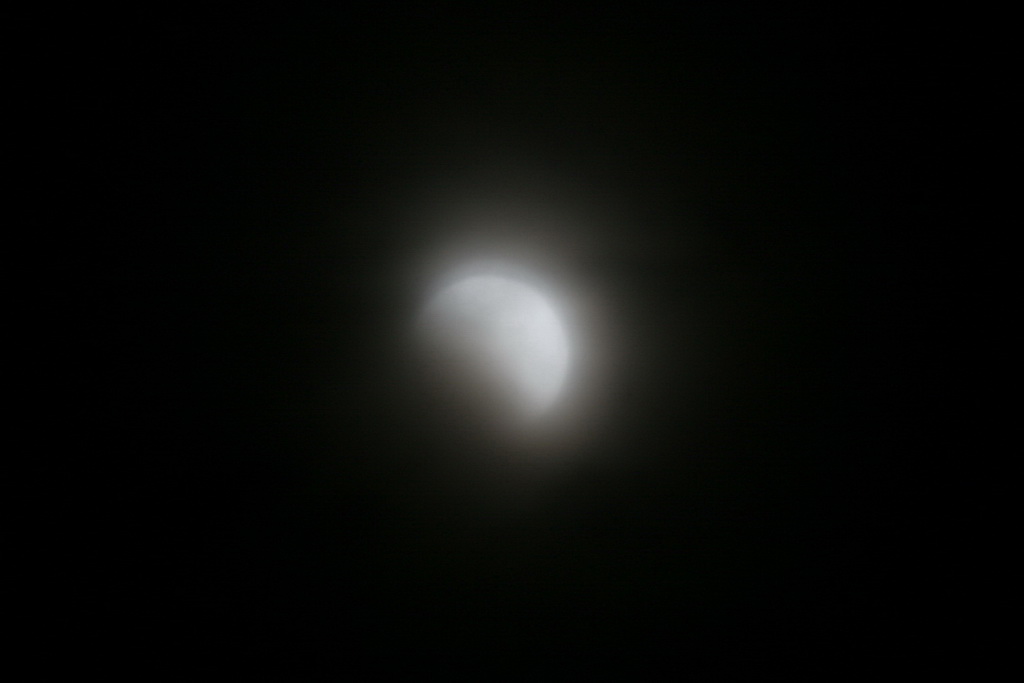
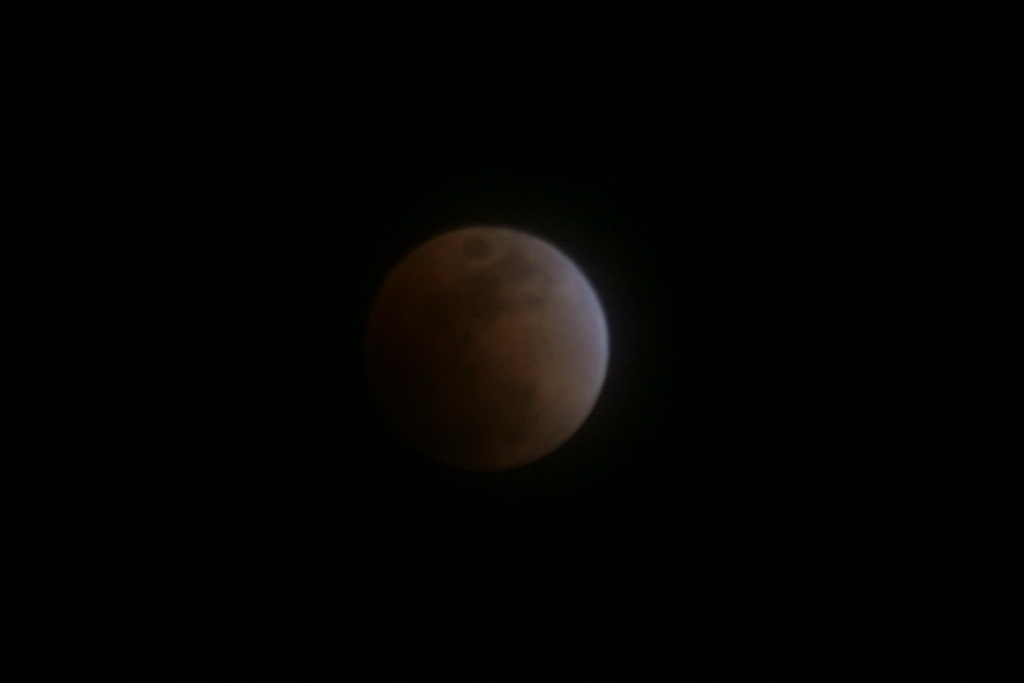
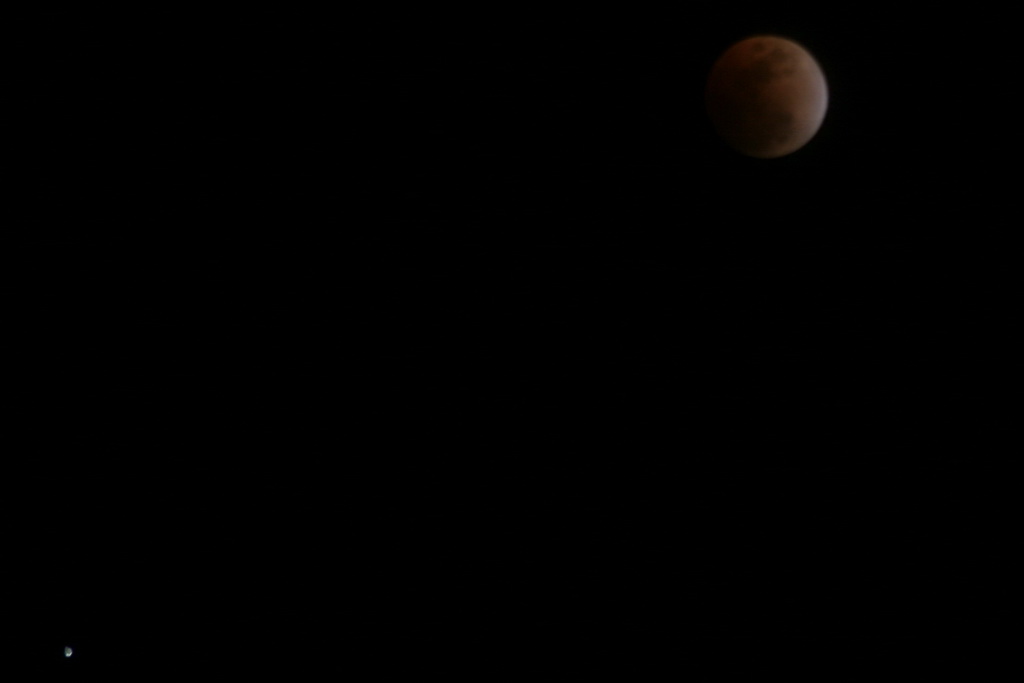
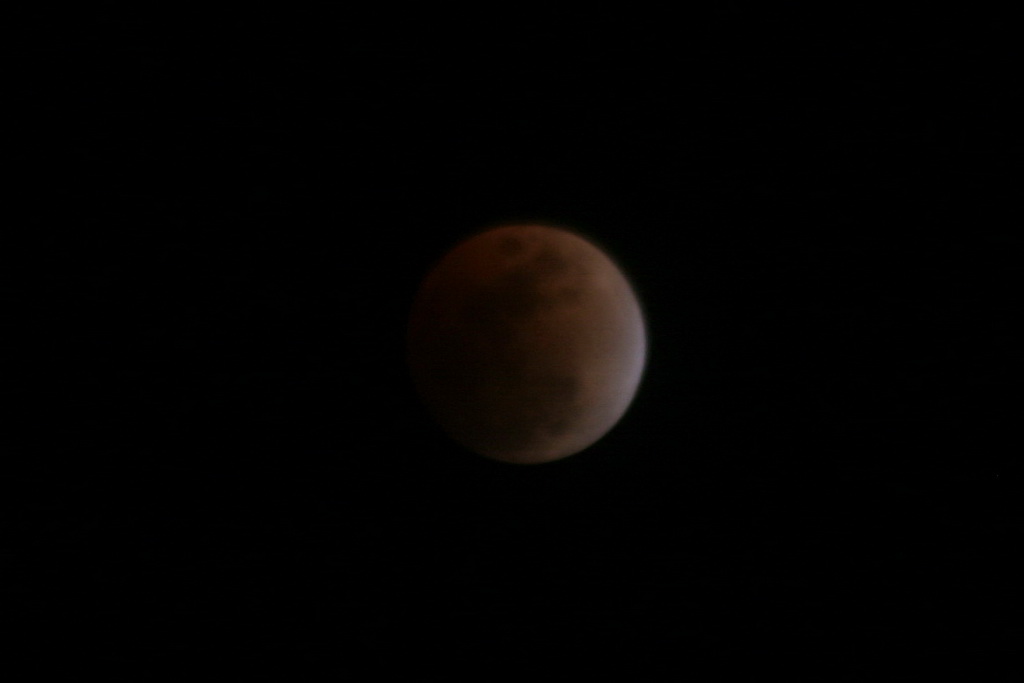
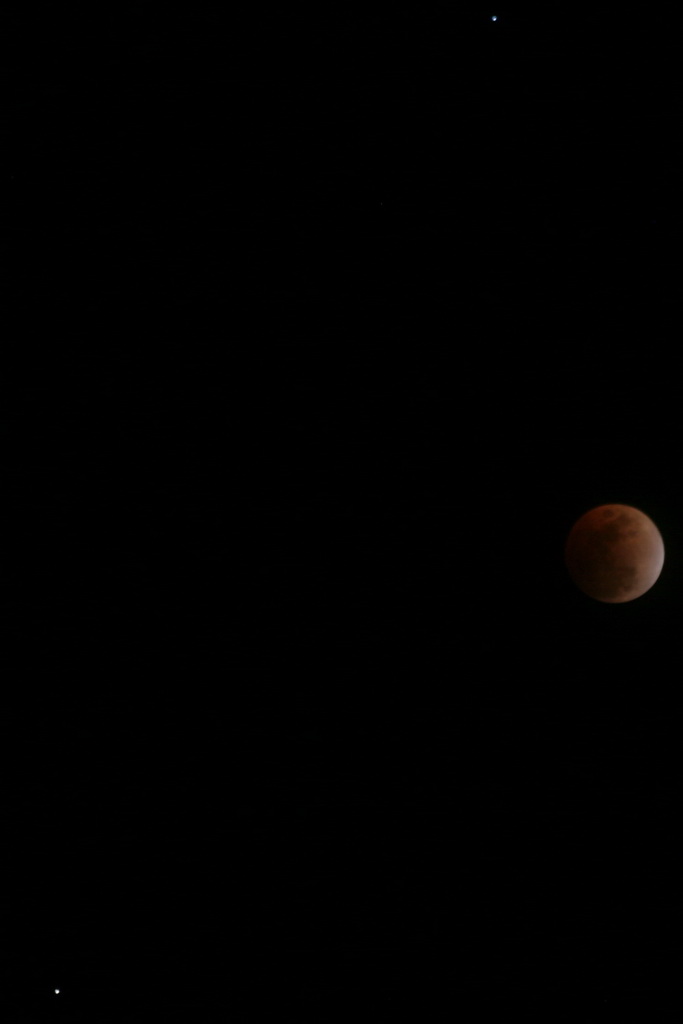
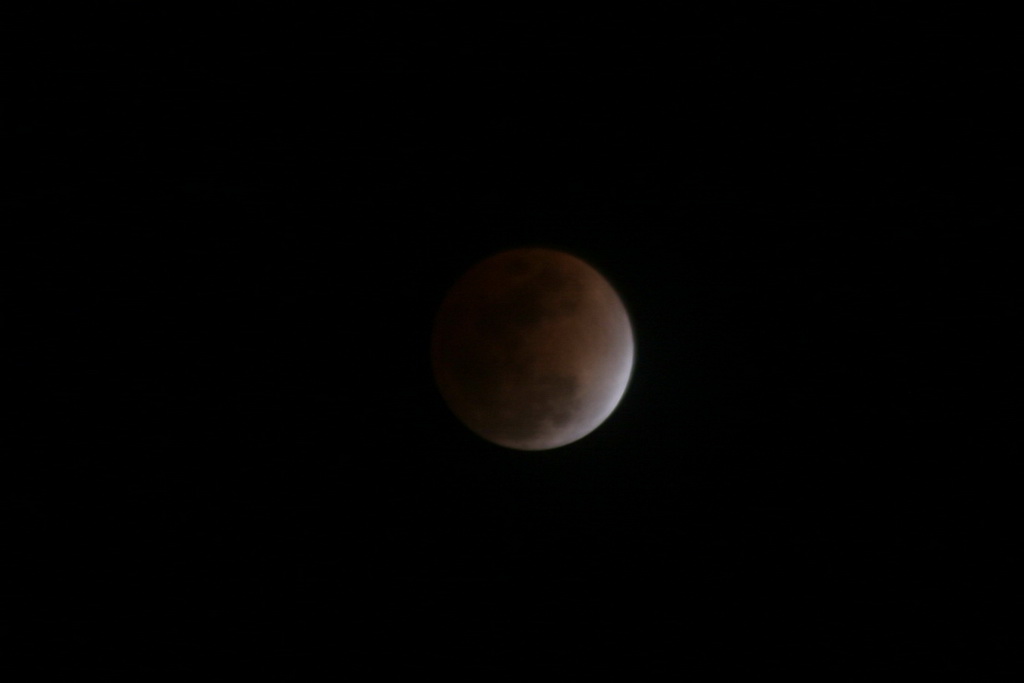
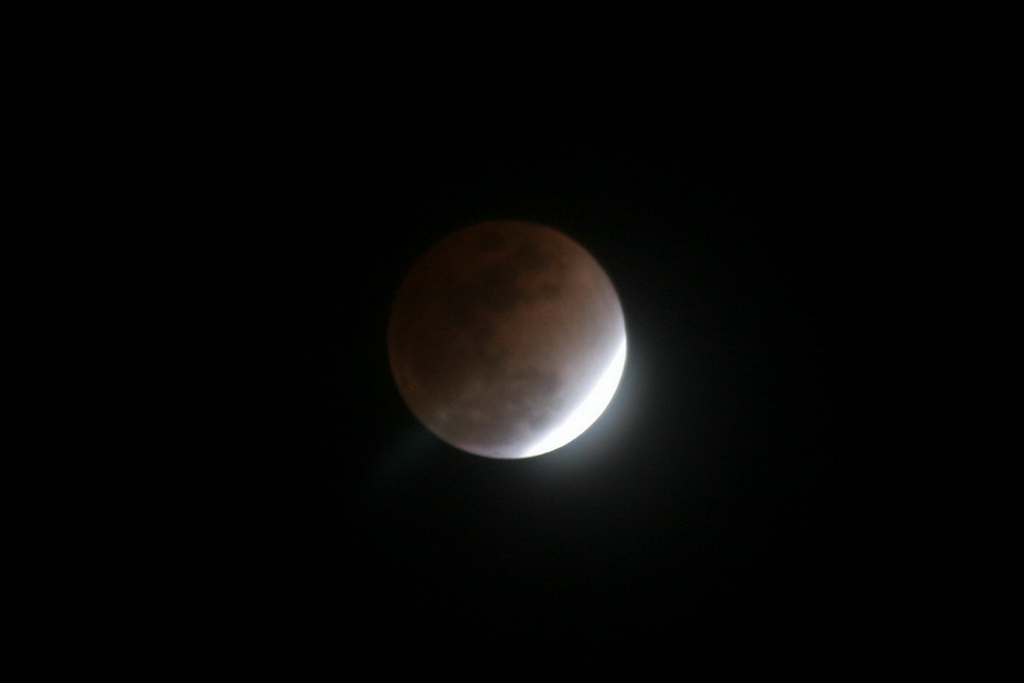
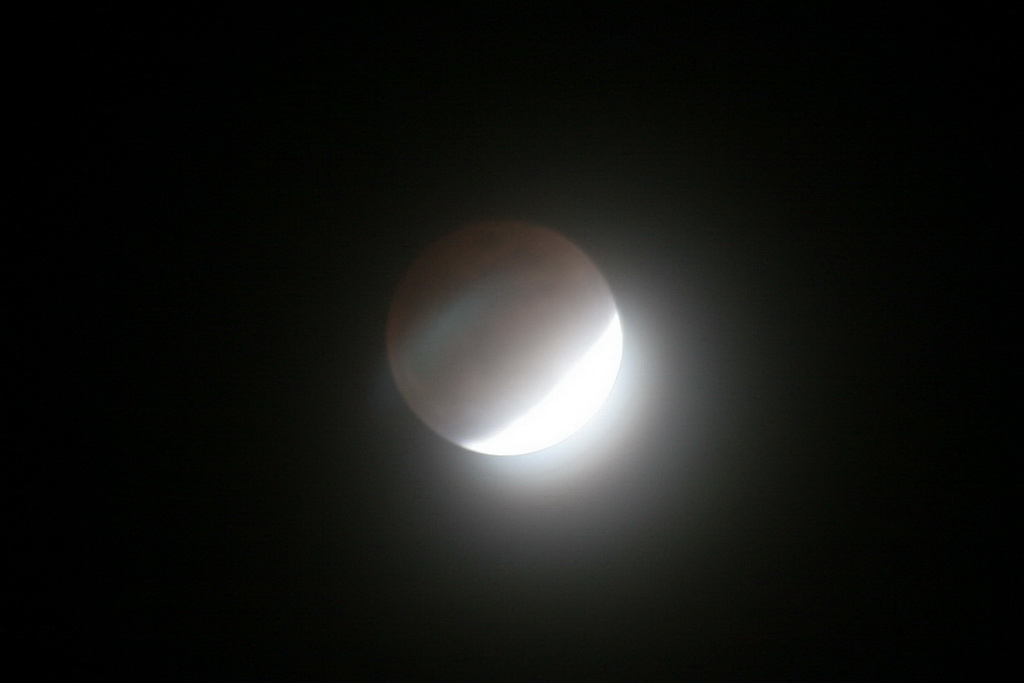
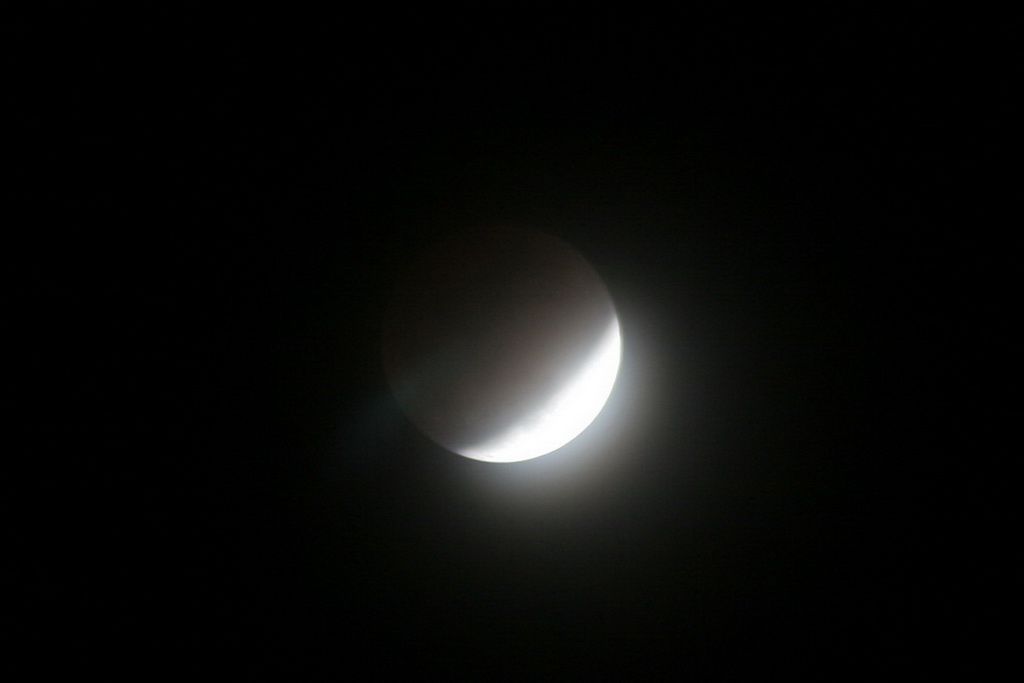
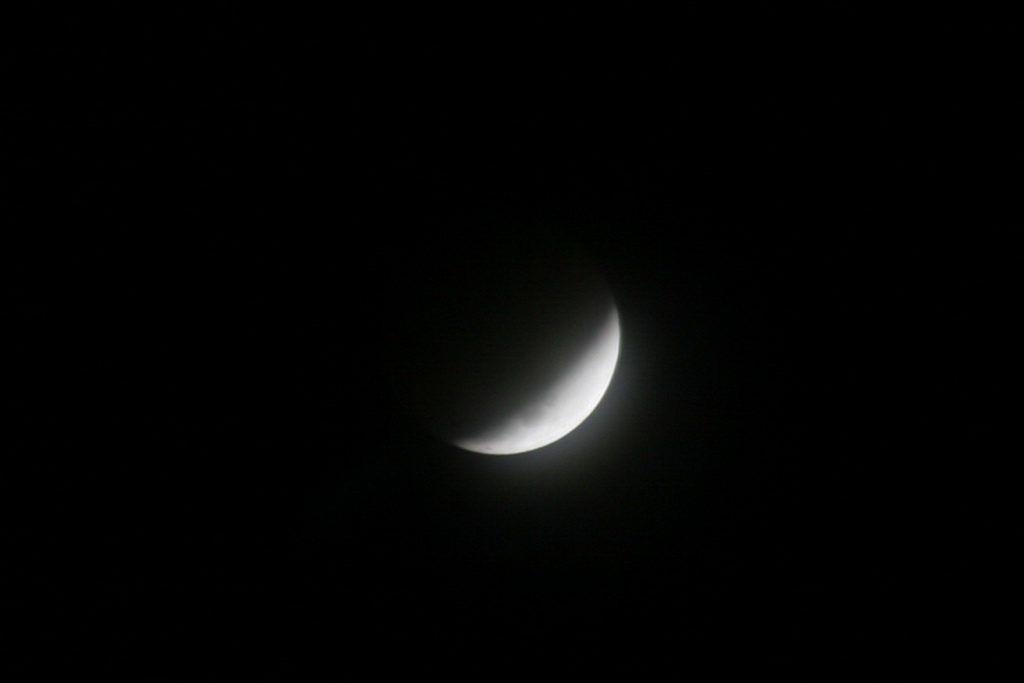
The lunar eclipse last night started out a bit rough with some light cloud cover obscuring the view. However, a bit before the eclipse was at its maximum, the clouds cleared and we ended up with quite a nice view. As an added treat, Regulus and Saturn were clearly visible and very bright above and below left of the moon.
Here are some pictures we took last night, in order from the start to finish.
The Western Hemisphere will be given a bit of an astronomical treat Wednesday with a total lunar eclipse. A lunar eclipse occurs whenever the moon passes through some portion of the Earth’s shadow – basically when the Earth is between the moon and the sun.
Best up all for those of us in the Rocky Mountain area, the eclipse will occur at a good time for watching (see below). For more information, please see the table below for viewing times and the links for more information.
Update, 2/20/08 @ 10:30am – Unfortunately it appears cloud cover in the Denver metro area may inhibit the ability to see the eclipse. It is worth trying to get a glimpse though.



 For the next few days residents of the Denver area will be able to get a glimpse of the space station over the southern skies. Tonight it will be visible starting at 7:56pm in the south-southwest sky, about 10 degrees above the horizon. That is pretty low but come Friday and Sunday the angles are a bit higher. Be sure to check it out!
 The lunar eclipse last night started out a bit rough with some light cloud cover obscuring the view. However, a bit before the eclipse was at its maximum, the clouds cleared and we ended up with quite a nice view. As an added treat, Regulus and Saturn were clearly visible and very bright above and below left of the moon.